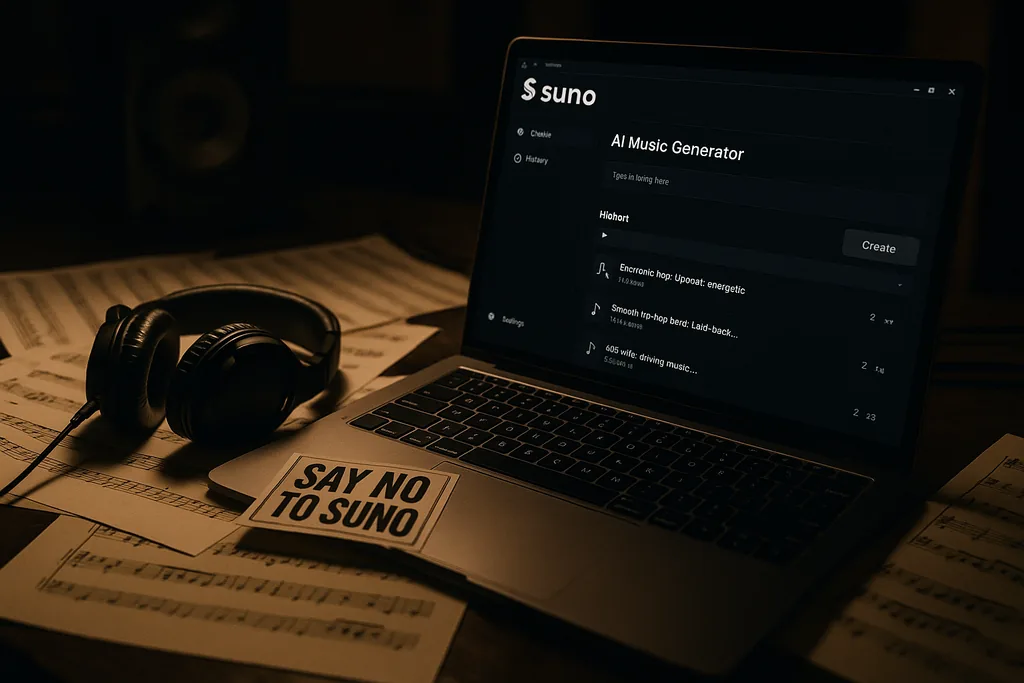
On Feb 26, 2026, music platform suno reaches a pivotal milestone
On Feb 26, 2026 the AI music startup Suno announced that it has passed 2 million paid subscribers and is generating roughly $300 million in annual revenue, a co‑founder said in a public post. The claim—backed by company statements—also says more than 100 million people have tried the platform’s free or paid tools. The numbers underline how quickly a small number of generative audio products have scaled: Suno launched in 2023 and, by the company’s account, now powers millions of new tracks every day while provoking a growing industry backlash over training data, royalties and attribution.
Suno’s growth is a mix of engineering, pricing and network effects. The platform takes text prompts and returns fully produced music and synthesized vocals in a matter of minutes, letting users iterate fast without traditional studio expertise. That convenience—plus a tiered product offering with a limited free version—helps explain why Suno says it now produces millions of songs daily; independent reporting earlier this cycle estimated user output at roughly seven million tracks per day, an astonishing throughput that equates to adding the equivalent of a major streaming service’s catalog every few weeks.
Investors have taken notice: Suno raised a large funding round in late 2025 that valued the business in the low billions and attracted venture capital including a lead from Menlo Ventures and participation from Nvidia’s venture arm. The company has promoted partnerships with established producers and artists on some projects, and high‑profile endorsements—like producer Timbaland’s public praise—have amplified Suno’s reach inside music circles and to hobbyist creators.
How Suno’s tool works and who is using it
Suno is an example of prompt‑to‑audio generative AI: a user types descriptive text—mood, instrumentation, tempo, even a named influence—and the model composes an instrumental and can add synthetic vocals matching stylistic directions. The system is trained on large audio and text datasets, and Suno packages the outputs into downloadable stems, mixes and metadata, which users then publish, stream or iterate on.
That workflow is attractive to several different groups. Amateur creators use Suno to prototype ideas, podcasters and game developers use quick beds and cues, and some commercial actors have experimented with AI artists that chart and earn streams. At the same time, many major labels and professional songwriters see Suno as a business model that replaces decades of curated talent and labor with an automated pipeline—hence both the rapid uptake and the growing resistance.
Legal fights, licensing and the "Say No to Suno" campaign
Industry pushback has been steady and multi‑pronged. The Recording Industry Association of America and three major labels sued Suno in 2024 claiming the company trained models on copyrighted recordings without permission. Suno has defended its work by invoking fair use principles for training datasets and likening model learning to how a child learns a genre by listening to music. The legal picture is unsettled: some claims have settled and produced licensing pilots, while other suits remain active and could set precedents about whether and how AI firms may ingest copyrighted catalogs.
The short answer is: not straightforwardly. Copyright law in most jurisdictions protects human authorship; whether an AI output is eligible—and if so, who owns it—depends on the role of the human prompt‑writer, the company operating the model, and any underlying licensed material. Suno argues that model training is covered by fair use and that its outputs are new works. Labels and many songwriters counter that training on copyrighted masters without licences is tantamount to copying and undermines negotiated royalty frameworks.
Some labels have pursued litigation; others have chosen to negotiate. Warner Music reached a settlement with one AI firm that included a partnership element—artists would retain some control over whether their likeness and vocal identity can be used—illustrating that the market is pushing toward bespoke licensing deals even as the law remains unsettled.
Why backlash has grown and what it means for creators
Business reality: fast growth, investor appetite and platform responsibilities
Suno’s reported climb to 2 million paid subscribers illustrates a broader commercial pattern: generative AIs that reduce friction can rapidly attract paying communities and enterprise interest. For Suno, that has meant both substantial revenue claims and a valuation that drew top investors. But scale brings obligations. Platforms that enable mass music creation are under pressure from rights holders, payment processors, and streaming services to implement content ID, provenance metadata, take‑down and licensing frameworks.
What the market will test next is whether companies like Suno can convert user growth into sustainable, rights‑respecting products: negotiated licensing deals with labels and publishers, transparent opt‑outs for artists, clear attribution metadata, and mechanisms to prevent impersonation and defamatory uses.
Where this fight goes next
The immediate watch items are legal rulings and settlement terms that may ripple across the industry; regulatory scrutiny over AI and copyright; and how streaming platforms respond to surges of AI music. If courts endorse a broad fair use theory for training, the sector could tilt toward platform control and voluntary licensing. If courts or regulators demand stricter permission regimes, AI music firms will face higher costs and slower growth but clearer artist protections.
For creators, the practical near term is about choices: negotiate new licensing arrangements, push for stronger metadata and attribution standards, or experiment with AI as a collaborator while asserting control over personal identity, voice and likeness. The industry’s reaction—lawsuits, campaigns, label deals and product changes—shows that a technical breakthrough has become an economic and cultural battleground.
As Suno celebrates its milestone, the larger test is whether an audio ecosystem built around generative models can respect the institutions, incomes and reputations of the people whose work made the AI possible.
Sources
- Suno (company statements and blog posts)
- Warner Music Group (licensing and partnership announcements)
- Recording Industry Association of America (legal filings)
- Music Artist Coalition / Artist Rights Institute (open letter and advocacy materials)




Comments
No comments yet. Be the first!