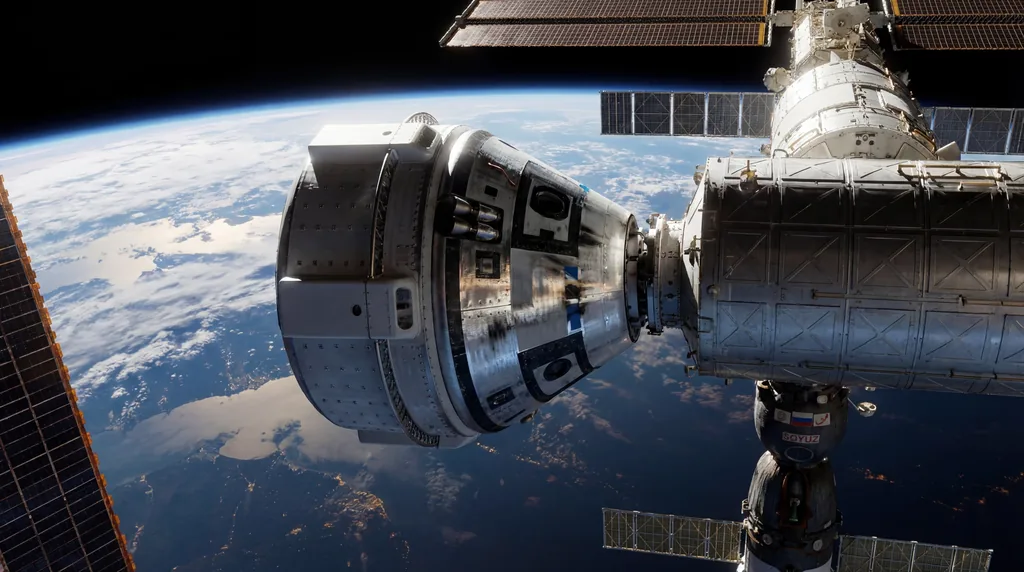

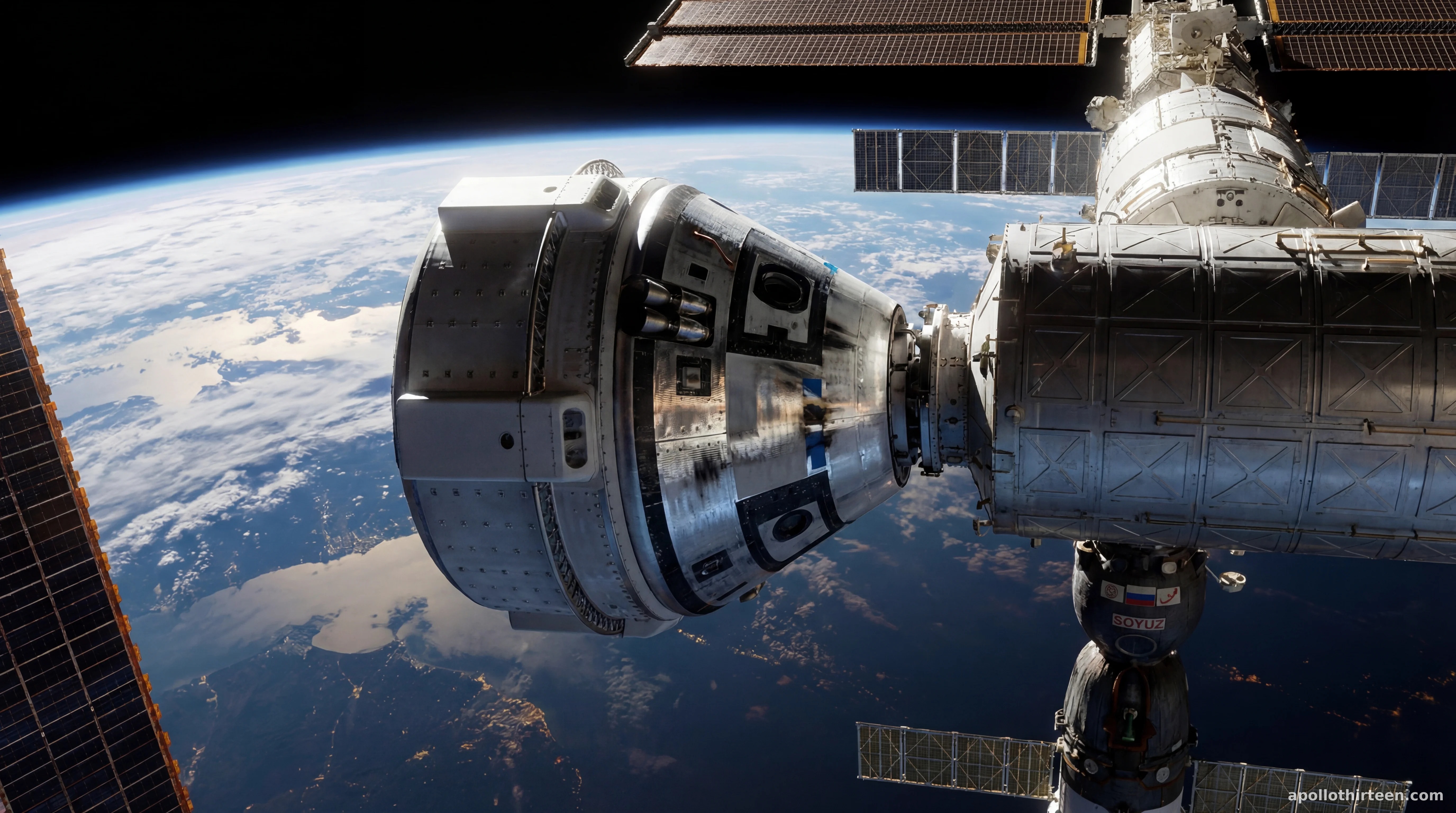
NASA officials are scheduled to present the final comprehensive findings from the 2024 Boeing Starliner Crew Flight Test investigations during a high-profile news conference today at 2 p.m. EST. The briefing, led by Administrator Jared Isaacman and Associate Administrator Amit Kshatriya, will provide a detailed technical post-mortem of the propulsion system anomalies and helium leaks that significantly altered the mission's original flight profile. By examining the root causes of thruster degradation, the agency aims to establish a clear roadmap for the spacecraft's eventual certification within the Commercial Crew Program.
What was the root cause of Starliner's propulsion problems?
The root cause of Starliner's propulsion problems was identified as the thermal degradation and swelling of Teflon seal components, known as poppets, located within the thruster valves. When subjected to high-frequency firing cycles and intense solar heating, these seals restricted the flow of propellant, leading to significant thrust loss and concurrent helium leaks within the service module’s manifold system.
Technical investigations revealed that the "doghouse" enclosures, which house the Reaction Control System (RCS) thrusters, experienced higher-than-anticipated temperatures during the docking phase with the International Space Station (ISS). This localized heating caused the Teflon (PTFE) poppets to expand and partially obstruct the propellant path. The NASA engineering teams noted that the frequency of the thruster pulses, combined with the environment of the service module, created a "heat soak" effect that exacerbated the material deformation. This finding is critical because it highlights a specific material vulnerability that only manifested under the unique operational stresses of a crewed mission docking sequence.
Furthermore, the investigation into the helium leaks confirmed that the seals in the propulsion manifold were susceptible to minor structural failures under sustained pressure. While helium is used to pressurize the propellant tanks, the rate of leakage observed during the 2024 flight raised concerns about the long-term integrity of the plumbing. Boeing and NASA researchers utilized ground-based testing at the White Sands Test Facility to replicate these conditions, confirming that the combination of chemical exposure and thermal cycling weakened the seals. These findings necessitate a review of the valve assembly hardware before any future flight readiness reviews can be approved.
Why did NASA decide to bring astronauts back on SpaceX instead of Starliner?
NASA opted to return astronauts Butch Wilmore and Suni Williams via a SpaceX Crew Dragon mission because the uncertainty regarding Starliner’s thruster performance exceeded acceptable safety margins. The agency determined that the risk of a thruster failure during the critical deorbit burn was too high, potentially leaving the crew in an unstable or unrecoverable orbital trajectory.
The decision to utilize SpaceX for the return leg of the mission was a historic pivot that underscored the agency's "safety-first" culture. During the docking attempt in June 2024, five RCS thrusters failed, and although four were eventually recovered, the unpredictable nature of the degradation meant that engineers could not guarantee performance during the high-stakes atmospheric reentry. Associate Administrator Amit Kshatriya emphasized that the lack of a definitive "physics-based" model for the thruster behavior at that time made it impossible to rule out a catastrophic failure during the return journey.
Consequently, NASA transitioned the Starliner mission to an uncrewed return, which successfully occurred in late 2024, while Wilmore and Williams remained aboard the ISS. This move allowed the Commercial Crew Program to collect valuable data from the uncrewed landing without risking human life. The SpaceX Crew-9 mission was subsequently reconfigured to fly with two empty seats, ensuring that the veteran astronauts had a verified and safe transport vehicle for their return to Earth. This contingency planning demonstrated the vital importance of having redundant American crew transport systems in operation simultaneously.
Will Boeing's Starliner fly again with astronauts?
Boeing's Starliner is expected to fly with astronauts again only after the successful implementation of hardware redesigns and a rigorous recertification process overseen by NASA. The agency requires definitive proof that the valve and thruster issues have been resolved, which may involve a modified service module design or an additional uncrewed demonstration flight to validate the fixes.
The path forward for Starliner involves several mandatory milestones aimed at restoring confidence in the platform's reliability. NASA has indicated that Boeing must address the following technical requirements before the next crewed mission:
- Redesign of the RCS thruster poppets using materials more resilient to thermal expansion.
- Upgrading the helium manifold seals to prevent leakage during long-duration stays at the ISS.
- Updating flight control software to optimize thruster firing patterns and reduce thermal stress.
- Conducting an integrated propulsion system test to simulate "worst-case" docking and undocking scenarios.
While the 2024 Crew Flight Test provided essential data, it also delayed the spacecraft's formal certification for regular crew rotation missions. NASA remains committed to the Boeing partnership, as maintaining two independent providers—SpaceX and Boeing—is a strategic priority for ensuring continuous access to the International Space Station. The timeline for the next flight remains fluid, pending the results of the hardware modifications and the agency’s final safety review.
Impact on International Space Station Logistics and Future Missions
The delays associated with the Starliner investigation have necessitated significant adjustments to the International Space Station (ISS) scheduling and crew rotation cycles. With the Commercial Crew Program relying heavily on SpaceX in the interim, NASA has had to manage a complex "orbital ballet" to ensure that the station remains fully staffed while accommodating the extended stay of the CFT crew. This logistical challenge highlights the fragility of space station operations when one of the primary transport vehicles faces technical grounding.
Despite these hurdles, the NASA leadership views the rigorous investigation as a testament to the robustness of the Public-Private Partnership model. The transparency of the findings being shared in today’s news conference is intended to bolster public trust and ensure that the lessons learned from the 2024 test flight are applied to future deep-space exploration efforts, including the Artemis missions. By solving these complex engineering problems now, NASA ensures that the next generation of spacecraft will be safer and more capable of sustaining long-term human presence in low-Earth orbit and beyond.
Looking ahead, the agency will continue to stream live updates and technical briefings as the Boeing team begins the physical implementation of the recommended changes. Today's 2 p.m. EST briefing serves as a critical junction in the history of the Commercial Crew Program, marking the end of the investigative phase and the beginning of the "fix and fly" era for the Starliner spacecraft. Media representatives and the public can follow the live stream on NASA’s YouTube channel to gain further insights into the specific engineering data that will shape the future of American spaceflight.




Comments
No comments yet. Be the first!