
An AI that argues with itself just found a major smartwatch warning sign for depression

Breaking News Technology
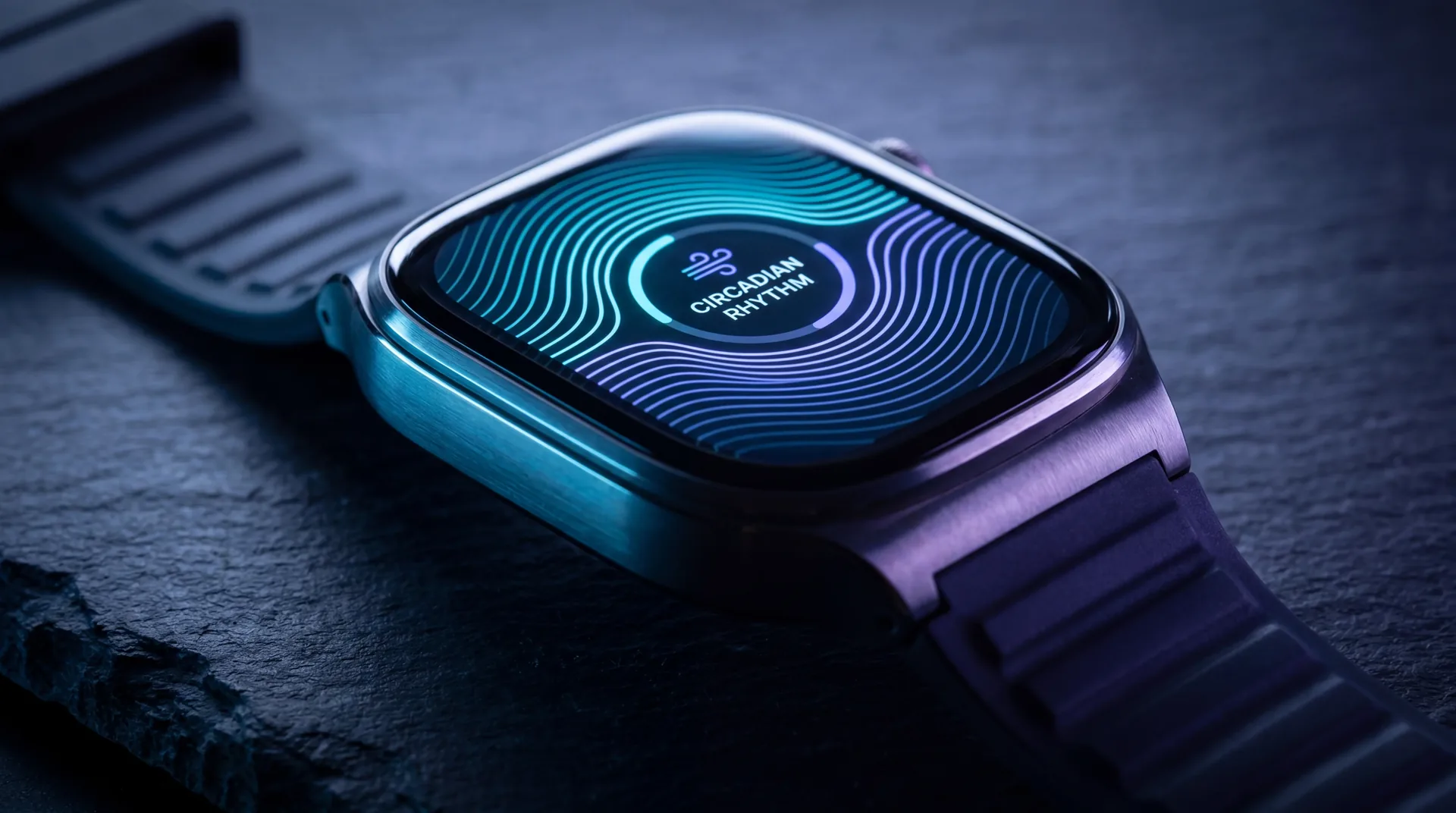
Close-up of a modern smartwatch display showing a glowing, rhythmic blue data wave on a dark textured background.
4K Quality
By running a digital peer-review panel on fitness tracker data, a new AI system has identified erratic sleep schedules as a primary indicator of mental health issues.

For 9,279 people wearing fitness trackers, the clearest physical sign of depression wasn't how much sleep they managed to get. It was the sheer, chaotic randomness of when their heads actually hit the pillow.

An artificial intelligence system dubbed CoDaS dug this pattern out of a mountain of messy smartwatch sensor logs. But what makes the finding significant isn't just what the AI found, but how it got there. Rather than simply throwing algorithmic guesses at human scientists, this software was built to aggressively argue with itself until it could prove its own working.

A built-in sceptic

Most machine learning tools are eager to please, finding patterns where none exist just to return a result. CoDaS operates differently, employing what its developers call an Adversarial Agent. You can think of it as a digital peer-review panel trapped inside a server.

When the main system spots a potential link between a physiological quirk and a disease, the adversarial agent steps in to play devil's advocate. It mimics the ruthless scepticism of a human reviewer, deliberately trying to break the hypothesis by forcing the system to validate the exact same finding across completely independent groups of people. If the pattern doesn't hold up in the new data, it gets binned.

During its latest run of over 9,000 participant observations, this internal friction surfaced 41 candidate markers for mental health conditions and 25 for metabolic disease. Every surviving data point had to be grounded in existing medical literature.

The circadian red flag

The most striking signal to survive this algorithmic trial by fire was 'circadian instability'. While consumer health apps obsess over achieving a solid eight hours, the AI flagged highly inconsistent bedtimes and wake-up calls as a primary marker for depression.

The system didn't just spot this as a one-off anomaly. By forcing its adversarial protocol to check the math, CoDaS confirmed a hard correlation between erratic schedules and high depression scores across two entirely separate study cohorts.

Screening the noise

Despite successfully turning consumer wristwear into a makeshift medical lab, the team behind CoDaS are treating the software as a screening layer rather than a robotic doctor. It is designed to comb through millions of data points and hand human researchers a shortlist of highly probable digital signatures for disease.

This human-in-the-loop approach means the AI's logic must remain traceable. Before any of these algorithmic insights get anywhere near a patient's actual treatment plan, a human still has to verify the reasoning.

We do not have the bandwidth to manually audit the physiological data pouring out of modern wearables. But having an automated, sceptical system do the heavy lifting could quietly upgrade the smartwatch from an expensive pedometer into genuine medical infrastructure.


James Lawson

James Lawson

Investigative science and tech reporter focusing on AI, space industry and quantum breakthroughs

University College London (UCL) • United Kingdom

Readers

Readers Questions Answered

Q What is the CoDaS AI and how does its adversarial system function?
A CoDaS is an artificial intelligence system designed to analyze fitness tracker data using a unique internal peer-review process. It employs an adversarial agent that acts as a digital skeptic, attempting to disprove findings by forcing the system to validate patterns across independent data groups. This rigorous internal friction ensures that the identified health markers are statistically robust and grounded in medical reality rather than being mere coincidental patterns in the data.
Q What specific sleep pattern did the AI link to depression?
A The AI identified circadian instability, characterized by highly inconsistent bedtimes and wake-up schedules, as a primary indicator of depression. Unlike many consumer health apps that prioritize the total duration of sleep, this system found that the chaotic randomness of when a person goes to sleep is a more significant predictor of mental health issues. This correlation remained consistent across two entirely separate study cohorts involving over nine thousand participants.
Q How many potential health markers were identified by the system?
A During its analysis of over 9,000 observations, the CoDaS system surfaced 41 candidate markers for mental health conditions and 25 for metabolic disease. Each surviving marker underwent a trial by fire where it had to be validated against existing medical literature. This process helps filter out the noise of consumer wearable data, transforming simple sensor logs into a sophisticated shortlist of digital signatures that indicate potential underlying health problems.
Q Will this AI system eventually replace human medical diagnosis?
A The developers intend for CoDaS to serve as a screening layer and medical infrastructure rather than a robotic doctor. It is designed to handle the massive bandwidth required to audit physiological data from wearables, handing human researchers a verified shortlist of disease signatures. Because the system maintains traceable logic, human experts must still review and verify the AI's reasoning before any findings are incorporated into a patient's formal medical treatment plan.

Have a question about this article?

Questions are reviewed before publishing. We'll answer the best ones!

Comments

No comments yet. Be the first!

