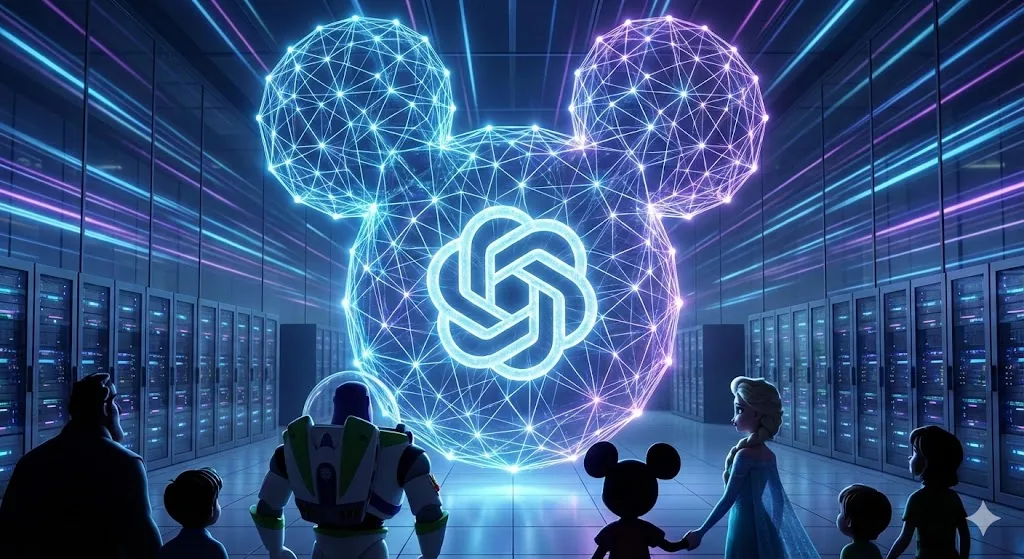
Сегодня The Walt Disney Company и OpenAI объявили о заключении трехлетнего соглашения, которое позволит пользователям создавать короткие видеоролики, созданные искусственным интеллектом, с участием более 200 анимационных персонажей Disney. Этот контракт, включающий инвестиции Disney в акционерный капитал в размере 1 миллиарда долларов и варранты на покупку дополнительных акций, делает Disney первой крупной студией, официально лицензировавшей своих персонажей для видеоплатформы на базе ИИ, и знаменует собой резкий сдвиг в том, как крупные медиакомпании будут взаимодействовать с генеративным ИИ.
Суть сделки
Согласно соглашению, поклонники смогут использовать инструмент для создания коротких видео Sora от OpenAI и сопутствующие функции генерации изображений ChatGPT для создания и публикации клипов с персонажами Disney, Pixar, Marvel и Lucasfilm. Лицензия распространяется только на анимационные и рисованные изображения; внешность актеров и записанные голоса исключены в явном виде. Disney также будет размещать подборку созданных пользователями видео Sora на платформе Disney+ и планирует внедрять технологии OpenAI внутри компании — включая ChatGPT для сотрудников — а также использовать API компании для создания новых продуктов и инструментов для своих платформ.
Руководители обеих компаний охарактеризовали партнерство как попытку расширить возможности сторителлинга контролируемым коммерческим путем. Генеральный директор Disney назвал этот шаг способом «продуманно и ответственно расширить охват» своих историй; генеральный директор OpenAI назвал это примером того, как «ИИ-компании и творческие лидеры могут ответственно работать вместе». В официальных заявлениях подчеркивались безопасность, контроль с учетом возраста и защита прав авторов, в то время как детали реализации и окончательные юридические документы все еще подлежат утверждению окончательных соглашений и условий закрытия сделки.
Деньги, контроль и дистрибуция
Соглашение имеет прямой финансовый аспект: Disney не только лицензирует своих персонажей, но и входит в капитал OpenAI. Вливание капитала в размере 1 миллиарда долларов в одночасье превращает Disney в крупного инвестора и клиента. Реакция рынка последовала незамедлительно — акции Disney выросли после объявления — а сама сделка дает студии долю в компании, чьи модели создают контент.
Технические и творческие компромиссы
Sora и другие системы генерации видео по тексту могут быстро синтезировать движущиеся изображения на основе простых промптов. Именно эта скорость и легкость заставляли студии проявлять осторожность: генеративное видео может создавать убедительные сцены с вымышленными персонажами — а теперь и с реальными людьми — в контекстах, в которых они никогда не появлялись. Лицензия Disney-OpenAI снимает юридическую неопределенность для анимационных персонажей, но не решает фундаментальных технических проблем, таких как галлюцинации моделей, подтверждение подлинности и нанесение водяных знаков, а также риск того, что сгенерированные ИИ клипы будут использованы для дезинформации или вредоносной имитации личности.
OpenAI заявила, что добавит «защитные барьеры» — ограничения доступа, модерацию и возрастные фильтры, а Disney сделала акцент на защите прав создателей. Однако инженеры и специалисты по политике предупреждают, что любая система контроля контента будет несовершенным компромиссом между открытостью и безопасностью. Модерация в больших масштабах технически сложна и дорога; одна из причин, по которой OpenAI приветствовала партнерство с Disney, заключается в том, что оно привязывает крупного правообладателя к модели управления платформой, а не оставляет контроль целиком на усмотрение сторонних команд модераторов.
Отраслевой прецедент и юридическое противодействие
Эта сделка представляет собой заметный разворот для Голливуда. До сих пор многие студии и правообладатели рассматривали генеративный ИИ как юридическую угрозу: некоторые подавали иски, другие рассылали требования о прекращении противоправных действий, а третьи добивались частных урегулирований. Выбирая путь лицензирования, Disney сигнализирует о третьем пути — монетизации и контроле, — которому могут последовать другие медиакомпании.
В то же время объявление сопровождалось жесткой юридической позицией: Disney направила требование о прекращении противоправных действий крупной технологической компании, потребовав прекратить использование материалов Disney без разрешения для обучения ИИ или отображения сгенерированного им контента. Это письмо является последним в череде правоприменительных действий, предпринятых компанией против поставщиков технологий и создателей ИИ. Используется двухсторонний подход: заключение коммерческих соглашений с одними ИИ-фирмами при одновременном ведении или угрозе судебных разбирательств против других, чье поведение компания считает нарушающим права.
Трудовые ресурсы, профсоюзы и защита прав детей
Партнерство также происходит на фоне широких дискуссий о труде и безопасности. Профсоюзы, представляющие актеров, мастеров озвучивания и художников по визуальным эффектам, опасаются, что сделки студий с ИИ-компаниями могут подорвать их переговорные позиции или заменить их работу. Оговорка в контракте Disney об исключении внешности и голосов актеров снимает часть этих опасений, но оставляет открытыми более широкие отраслевые переговоры о вознаграждении, роялти и границах замены человеческого труда машинными аналогами.
Защитники прав детей также подвергли этот шаг критике. Некоторые группы по защите детей утверждают, что лицензирование любимых персонажей для массового ИИ-инструмента создает риск вовлечения юных пользователей в среду, которая может предлагать неподходящий или манипулятивный контент. Disney и OpenAI пообещали внедрить меры защиты; критики же заявляют, что ограничения должны быть надежными, прозрачными и подлежащими аудиту, чтобы заслуживать доверия.
Что это значит для авторов, фанатов и конкурентов
Для фанатов и авторов лицензия откроет новые творческие возможности: любители и небольшие студии смогут создавать сцены, мэшапы и пародии, которые раньше требовали опыта в анимации или получения лицензии. Для профессиональных авторов это означает появление еще одного конкурента в «экономике внимания» — нового потока быстрых, созданных ИИ роликов, которые могут как усилить их работу, так и вытеснить ее.
Конкуренты стоят перед стратегическим выбором. Другие студии могут последовать примеру Disney и заключить лицензионные сделки, заставляя ИИ-компании вести переговоры, а не работать в «серой» юридической зоне. В качестве альтернативы некоторые правообладатели могут продолжить агрессивно судиться, чтобы блокировать нелицензионное использование. В любом случае, сделка повышает планку для формальной коммерциализации: интеллектуальная собственность крупных медиа будет либо лицензироваться, либо активно защищаться в суде.
Ближайшие сроки и открытые вопросы
В публичных отчетах и пресс-материалах отмечается, что внедрение будет происходить в течение нескольких месяцев: поэтапное внутреннее использование инструментов ChatGPT и интеграция Sora запланированы на несколько стадий, а доступ к Sora для фанатов и кураторство в Disney+ ожидаются к началу 2026 года согласно обсуждаемым условиям. Несколько практических вопросов остаются без ответа: как именно будет работать проверка возраста, какие пороги будут запускать ручную модерацию, как будет распределяться доход от работ, созданных фанатами, и какие механизмы аудита будут существовать для подтверждения того, что контент лицензирован должным образом и безопасен?
Эти детали определят, станет ли сделка регуляторным и коммерческим образцом или останется экспериментом одной компании. В любом случае, сегодняшнее объявление знаменует собой четкую точку перегиба: один из самых ревностных в мире владельцев интеллектуальной собственности решил принять генеративный ИИ, инвестировав в него, лицензировав свои самые ценные активы и попытавшись сформировать правила игры.
Источники
- The Walt Disney Company (пресс-материалы)
- OpenAI (пресс-материалы)



Comments
No comments yet. Be the first!