Что происходит и когда
NASA представит новые изображения межзвездной кометы 3I/ATLAS на прямом мероприятии для СМИ в среду, 19 ноября 2025 года, в 15:00 по североамериканскому восточному времени (19 ноября 2025 года — 20:00 UTC). Брифинг будет транслироваться из Goddard Space Flight Center (Центра космических полетов имени Годдарда) NASA и пройдет на стриминговых платформах агентства. Агентство назвало имена высокопоставленных научных сотрудников, которые примут участие в мероприятии, и сообщило, что изображения были получены с помощью комплекса космических и наземных средств, использовавшихся для наблюдения за объектом во время его прохождения через внутреннюю часть Солнечной системы.
Для просмотра в прямом эфире: следите за временем начала трансляции на NASA+ (стриминговый сервис и приложение агентства), официальном сайте и YouTube-канале NASA, а также на канале Amazon Prime, транслирующем программы NASA. Представители общественности также смогут задать вопросы во время эфира, используя социальные каналы NASA и хэштег мероприятия.
Почему эти изображения важны
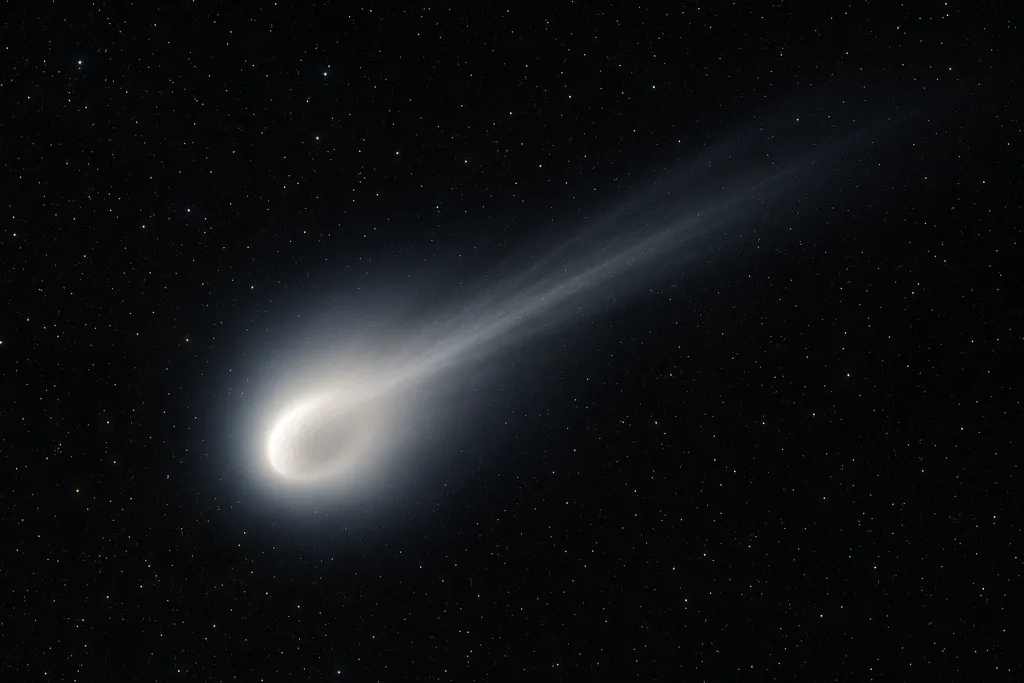
3I/ATLAS — это третий подтвержденный межзвездный гость в истории наблюдений (после 1I/‘Oumuamua и 2I/Borisov), и он ведет себя как комета, обладая активной комой и формирующимся хвостом. Поскольку объект возник у другой звезды, каждое новое наблюдение позволяет изучить химический состав и структуру, которые могут отличаться от объектов, сформировавшихся в нашей Солнечной системе. Изображения высокого разрешения позволяют астрономам отделить яркую кому от гораздо более мелкого ядра, выявить джеты и асимметричную дегазацию, а также интерпретировать спектроскопические измерения выделяемых газов.
Какие космические аппараты и телескопы сделали снимки?
Что обнаружил Webb
Спектроскопические изображения, полученные с помощью приборов ближнего инфракрасного диапазона телескопа Webb, показали, что 3I/ATLAS выбрасывает удивительно большое количество диоксида углерода по сравнению с водой — это соотношение гораздо выше, чем у типичных комет Солнечной системы на сопоставимых расстояниях. Сигнал CO2 стал одной из причин пристального внимания к объекту: смесь летучих веществ говорит о среде, в которой сформировалась комета, и о воздействиях, которым она подвергалась в течение миллиардов лет в межзвездном пространстве. Данные Webb также выявили следы воды, монооксида углерода и других второстепенных компонентов, а также частицы пыли и льда.
Что показали Hubble и наземные телескопы
Оптические кадры Hubble позволили рассмотреть кому, раннее развитие хвоста и выброс в сторону Солнца, что помогло командам ученых определить скорость пыли и геометрию дегазации. Крупные наземные обсерватории, включая обзорные установки, предоставившие снимки до официального открытия объекта (precovery), расширили временную базу наблюдений и зафиксировали эволюцию особенностей хвоста, когда комета максимально приблизилась к Солнцу и прошла рядом с Марсом в начале этой осени. Подобные комбинированные кампании по визуализации — это именно тот тип многоракурсного и многоволнового обзора, который NASA планирует осветить 19 ноября.
Насколько велика комета 3I/ATLAS?
Оценки размеров твердого ядра остаются неопределенными, так как яркая кома может скрывать истинное ядро на снимках. Анализ данных Hubble устанавливает верхний предел диаметра ядра в несколько километров, в то время как другие наборы данных, включая глубокие архивные кадры из широких обзоров, показали большие значения видимого размера яркой комы и, в одном случае, гораздо большую оценку размера ядра. Обобщение данных Hubble и последующих работ, проведенное NASA, характеризует размер ядра как ограниченный рамками, но все еще неоднозначный: текущие наиболее точные оценки определяют диаметр в диапазоне от нескольких сотен метров до нескольких километров, в зависимости от предположений об отражательной способности и того, какая часть измеренной яркости исходит от пыли, а не от твердого тела. Страница часто задаваемых вопросов агентства и опубликованные наблюдательные исследования суммируют эти ограничения и оставшиеся неопределенности.
Что ученые надеются объяснить на брифинге
- Состав: подтверждение и интерпретация богатой CO2 комы по данным Webb и то, что это говорит нам о зоне формирования кометы и ее термической истории.
- Активность и структура: как джеты, выбросы и хвост эволюционировали по мере приближения объекта к Солнцу и удаления от него, и изменили ли его траекторию негравитационные силы, вызванные дегазацией.
- Ограничения размера ядра: обновленные данные моделирования и изображений высокого разрешения, сужающие диапазон возможных размеров ядра.
- Сравнение с предыдущими межзвездными гостями: оценка сходств и различий с 1I и 2I для понимания разнообразия материала, поступающего из других звездных систем.
Как подготовиться и на что обратить внимание
Если вы планируете смотреть прямую трансляцию, воспользуйтесь этими советами:
- Установите напоминание на YouTube-канале NASA или в приложении NASA+ на 19 ноября 2025 года в 15:00 EST (20:00 UTC). Для часовых поясов США это 12:00 по тихоокеанскому времени, 14:00 по центральному и 13:00 по горному времени.
- Следите за названиями конкретных инструментов — когда докладчики упоминают Webb, Hubble, SPHEREx, TESS или конкретную наземную обсерваторию, они указывают на длину волны или точку наблюдения, с которой был получен результат.
- Обращайте внимание на аннотации и сравнительные кадры; агентства часто показывают одно и то же поле в разных диапазонах волн, чтобы выделить различные особенности (пыль против газа или льда).
- Если вы хотите задать вопрос во время трансляции, используйте хэштег мероприятия и канал вопросов и ответов агентства в социальных сетях, как указано в анонсе.
Почему это важно для общественности
Межзвездные объекты редки и представляют огромную научную ценность: каждый из них несет химическую и структурную информацию из другой звездной системы и, следовательно, предлагает прямой способ сравнения строительных материалов планет по всей галактике. Снимки высокого качества — это не просто эффектные визуальные эффекты, а первичные данные, которые исследователи используют для измерения состава, проверки моделей кометной активности и вывода о том, как эти тела формировались и эволюционировали задолго до существования нашего Солнца. Брифинг 19 ноября объединит изображения и их интерпретацию, чтобы ученые и широкая публика могли увидеть, что делает 3I/ATLAS одновременно знакомым и уникальным.
Для всех, кто интересуется ночным небом, эта трансляция — возможность оказаться в первом ряду современной наблюдательной астрономии: скоординированная работа телескопов предоставляет поток дополняющей друг друга информации, которая вместе выстраивает гораздо более полную картину, чем мог бы обеспечить любой отдельный инструмент.
Мы будем следить за брифингом и сообщать о любых значимых результатах и контексте по мере их публикации агентствами.




Comments
No comments yet. Be the first!