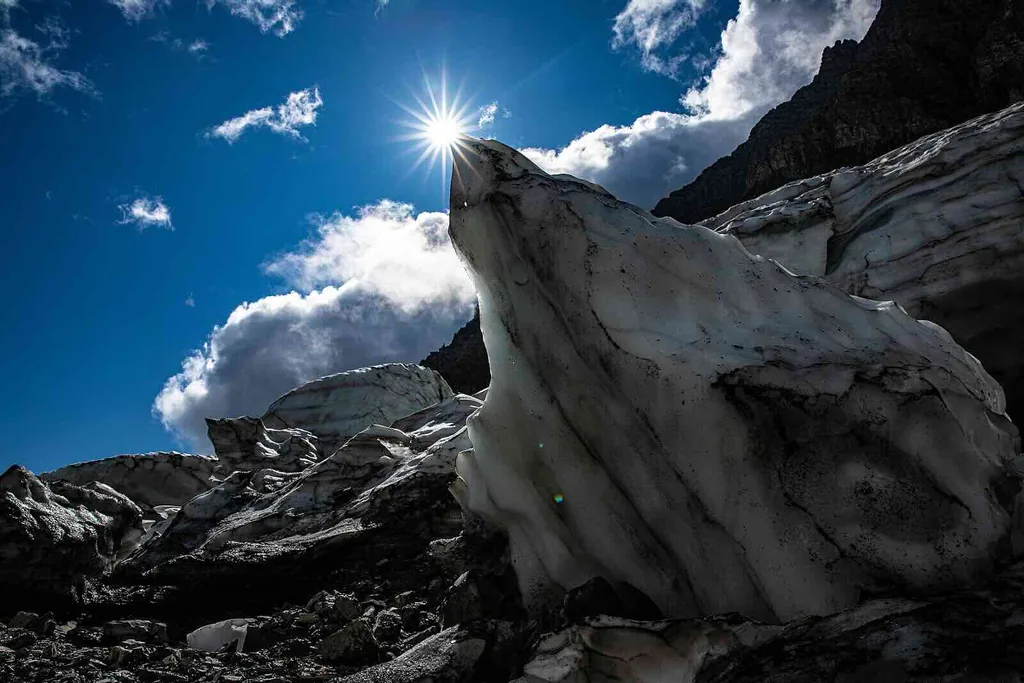
Исследование предупреждает: инъекции аэрозолей в стратосферу более непредсказуемы и рискованны, чем показывает моделирование
Обзор
Почему была предложена технология SAI
SAI (инъекция аэрозолей в стратосферу) призвана имитировать временное глобальное охлаждение, последовавшее за крупными извержениями вулканов, в частности, извержением Пинатубо в 1991 году. Тогда в стратосферу был выброшен диоксид серы, что снизило глобальную температуру примерно на 0,5 °C в течение двух лет. Некоторые предыдущие исследования предполагали, что преднамеренные инъекции могут сдержать потепление при относительно низких ежегодных затратах по сравнению с более широкими экономическими последствиями неконтролируемого изменения климата. Исследование Колумбийского университета изучает, сохраняется ли эта картина при учете реалистичных эксплуатационных и материальных ограничений.
Основные выводы
- Поведение материалов: Мелкие минеральные частицы, предлагаемые в качестве альтернативы сульфатам (например, карбонат кальция, диоксид титана или оксид алюминия), имеют тенденцию агрегироваться в более крупные скопления в концентрированных шлейфах. Эти агрегаты рассеивают солнечный свет гораздо менее эффективно и быстрее выпадают из стратосферы.
- Инженерные трудности: Предотвращение образования или разрушение агрегатов в промышленных масштабах потребует систем сжатия и распыления, возможности которых далеко выходят за рамки существующих самолетов, что существенно снизит полезную нагрузку и повысит требования к энергии и затратам.
- Влияние на цепочки поставок: Многолетняя программа SAI в масштабах, предусмотренных некоторыми сценариями, может поглотить значительную долю мирового производства определенных материалов. По оценкам исследования, 15-летняя программа, направленная на двукратное замедление темпов потепления, может потребовать до 40% мировой добычи циркониевой руды и превысить текущий объем производства промышленных алмазов.
- Экономические и геополитические риски: Внезапный высокий спрос на специфические минералы может привести к росту цен, создать нагрузку на промышленные секторы и породить новые стратегические уязвимости в цепочках поставок минерального сырья.
Вопросы эксплуатации и управления
Последствия выбора твердых аэрозолей вместо сульфатных
Твердые минеральные аэрозоли были предложены во избежание некоторых известных недостатков сульфатных инъекций, включая потенциальное разрушение озонового слоя. Анализ Колумбийского университета показывает, что те самые свойства, которые делают твердые частицы привлекательными в моделях — высокая отражательная способность и низкий нагрев — могут не сохраниться в условиях реального распыления и атмосферной химии. Если агрегаты будут формироваться или их не удастся надежно распылять на микронном уровне, минеральные кандидаты могут лишиться своих преимуществ, предсказанных моделированием.
Выводы и рекомендации
В исследовании делается вывод, что SAI сталкивается со значительными практическими ограничениями, которые часто отсутствуют в идеализированных симуляциях климатических моделей. Основные рекомендации включают:
- Целенаправленные исследования микрофизики аэрозолей в реалистичных условиях стратосферных шлейфов, включая динамику агрегации и радиационные последствия.
- Разработка и тестирование технологий распыления, способных доставлять и поддерживать заданные размеры частиц без образования крупных агрегатов.
- Оценка цепочек поставок материалов и потенциальных экономических последствий масштабного спроса на специфические минералы.
- Создание международных механизмов управления для координации, стандартов развертывания и оценки компромиссных рисков, поскольку децентрализованная деятельность может значительно увеличить опасности.



Comments
No comments yet. Be the first!