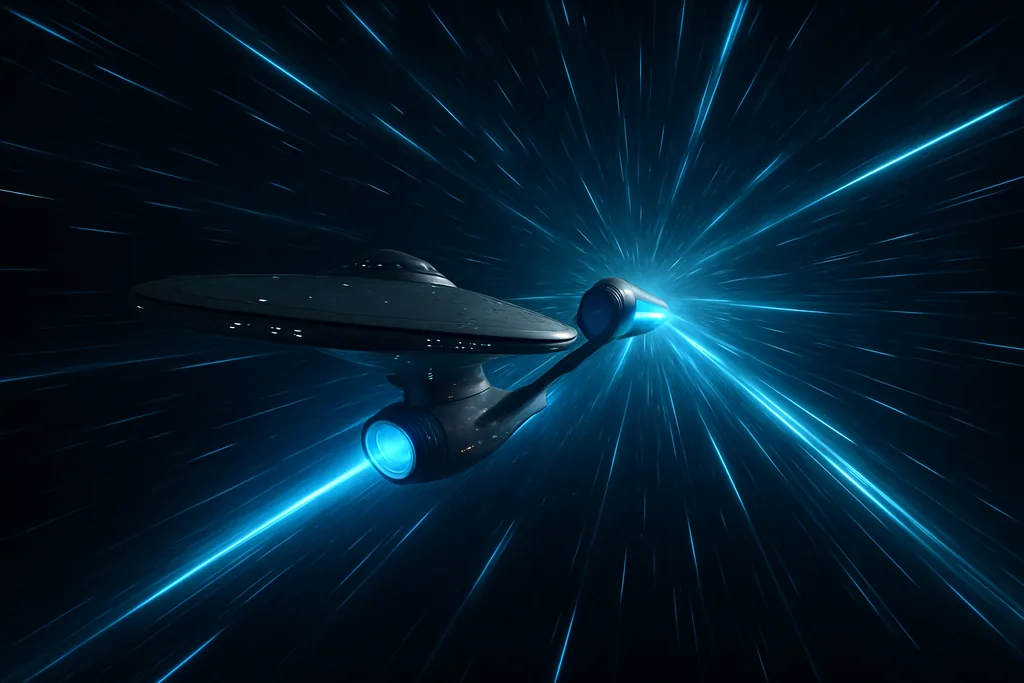
Научная статья по физике возвращает варп-двигатель в русло серьезных дискуссий
На этой неделе группа исследователей, связанных с общественно полезной компанией Applied Physics, опубликовала статью с описанием того, что они называют «физическим» варп-двигателем: математической и геометрической модели искривленного пузыря пространства-времени, которую можно описать, используя только обычные, хорошо изученные компоненты общей теории относительности. Это объявление вызвало резонанс в научном сообществе, поскольку оно напрямую решает главную проблему самой известной варп-метрики: зависимость двигателя Алькубьерре от огромного количества так называемой отрицательной энергии. Это требование долгое время считалось непреодолимым препятствием, так как отрицательная масса и большие объемы отрицательной энергии — это не те вещи, которые мы умеем создавать или использовать в лаборатории.
Популярные издания представили эту работу как шаг от математической фантастики к инженерной реальности; однако исследователи в этой области более сдержанны в оценках. Новая модель переосмысляет проблему, заменяя пузырь Алькубьерре на основе экзотической материи другой геометрией пространства-времени — сконструированным пузырем, физика которого, по крайней мере на бумаге, может быть описана с использованием обычного распределения энергии и массы. Важно отметить, что авторы работы подчеркивают: модель является теоретическим проектом, а не прототипом, и требуемые для нее на сегодняшний день показатели массы и энергии по-прежнему колоссальны.
Физическая модель варп-пузыря
Этот переход — от метрики, которая математически жизнеспособна, но физически сомнительна, к метрике, построенной на основе физически допустимых профилей энергии-импульса, — заставил некоторых исследователей назвать статью важной вехой. Она дает теоретикам конкретную цель: если вы хотите понять, может ли существовать варп-пузырь, вот геометрия, которую можно проанализировать стандартными инструментами численной относительности и теории поля.
Преемственность: от Алькубьерре до современных исследований
Работа над варп-метриками не была непрерывным мифотворчеством; это была действующая исследовательская программа, целью которой раз за разом становился перевод оригинальной идеи в область физики. За последние три десятилетия поток работ исследовал пути оптимизации и альтернативы: уменьшение необходимой экзотической энергии с помощью хитрых топологий, изменение толщины пузыря и геометрии колец, а также поиск досветовых вариантов, работающих без нарушения энергетических условий. Некоторые усилия, включая эксперименты и инженерные исследования в NASA Eagleworks и предложения независимых институтов, были сосредоточены на том, как снизить сухие цифры энергетических потребностей.
Инженерные решения и энергетические масштабы
Скажем прямо: снижение теоретической зависимости от экзотической отрицательной энергии не делает систему автоматически реализуемой. Оставшиеся положительные величины всё еще огромны. Оценки в последующих комментариях и смежных статьях указывают на необходимые массы порядка масс планет или, по крайней мере, масс гигантских планет для пузырей метрового масштаба, что далеко выходит за рамки любых мыслимых на сегодня инженерных программ. Поэтому другие исследователи придерживаются прагматичной, постепенной стратегии: проектирование досветовых или околорелятивистских варп-конфигураций, удовлетворяющих стандартным энергетическим условиям, с последующей оптимизацией формы пузыря, конструкции его стенок и способов его создания с использованием плотных, управляемых распределений массы-энергии.
Эти промежуточные цели имеют значение. Несколько групп опубликовали метрики досветового варпа, удовлетворяющие четырем стандартным энергетическим условиям, и одна из практических целей сейчас — найти метрики, требования к ресурсам которых могли бы в принципе быть достигнуты передовыми технологиями будущего или путем умелого использования локальных энергетических резервуаров.
Поиски, испытания и возможные сигнатуры
Одним из поразительных следствий переосмысления варп-пузырей как физических объектов является то, что они должны оставлять наблюдаемые следы. Коллапсирующий или иным образом возмущенный пузырь будет генерировать гравитационные волны; в 2024 году команда смоделировала сигнатуру гравитационных волн при коллапсе варп-пузыря и доказала, что если такой разрыв произойдет в пределах нескольких миллионов световых лет, он создаст измеримый сигнал — хотя и на частотах, значительно превышающих текущий диапазон чувствительности LIGO. Эта идея переводит варп-двигатели из разряда чисто умозрительной инженерии в категорию объектов, которые астрофизики могли бы целенаправленно искать: высокочастотную гравитационную сигнатуру, не производимую обычными астрофизическими столкновениями.
Осторожность и долгосрочная перспектива
Исследователи во всем спектре — от тех, кто любит романтику Star Trek, до хладнокровных специалистов по теории относительности — призывают к осторожности. Теоретический прорыв реален: модель, устраняющая очевидную невозможность из предыдущего предложения, важна. Но пропасть между теоретически допустимой геометрией и практическим двигательным устройством огромна. Нынешний консенсус среди практикующих физиков заключается в том, что реалистичные сроки измеряются десятилетиями или столетиями, а не месяцами или считанными годами.
При этом, это именно та задача, которая стимулирует полезную междисциплинарную работу. Специалисты по численной относительности, экспериментаторы в области гравитационных волн, материаловеды и инженеры энергосистем — все они могут внести свой вклад в каскад промежуточных результатов, которые могут сделать прогресс в будущем возможным. Независимо от того, полетит ли человек когда-нибудь в варп-пузыре, эти исследования развивают инструменты и вопросы теории гравитации, вычислительной физики и проектирования детекторов в направлениях, приносящих научную отдачу задолго до появления какого-либо звездолета.
На данный момент главный итог точен: физически непротиворечивая модель варп-пузыря существует на бумаге, и ей больше не нужна экзотическая отрицательная энергия, которая делала предыдущие предложения невыполнимыми. Превращение этой модели в технологию остается монументальной задачей — но уже не лишенной логики, и именно это изменение статуса стало причиной того, что статья вновь привлекла внимание и породила оправданные амбиции в этой области.
Источники
- Classical and Quantum Gravity (научная статья о физических варп-двигателях)
- Applied Physics (общественно полезная компания Applied Physics)
- Monash University (Алексей Бобрик, теоретическая работа по варп-метрикам)
- NASA Eagleworks Laboratories (исследования варп-двигателей и механики варп-полей)
- University of Alabama in Huntsville (Джаред Фукс и соавторы, работы по варп-метрикам)
- LIGO Scientific Collaboration (детектирование гравитационных волн и соответствующие симуляции)




Comments
No comments yet. Be the first!