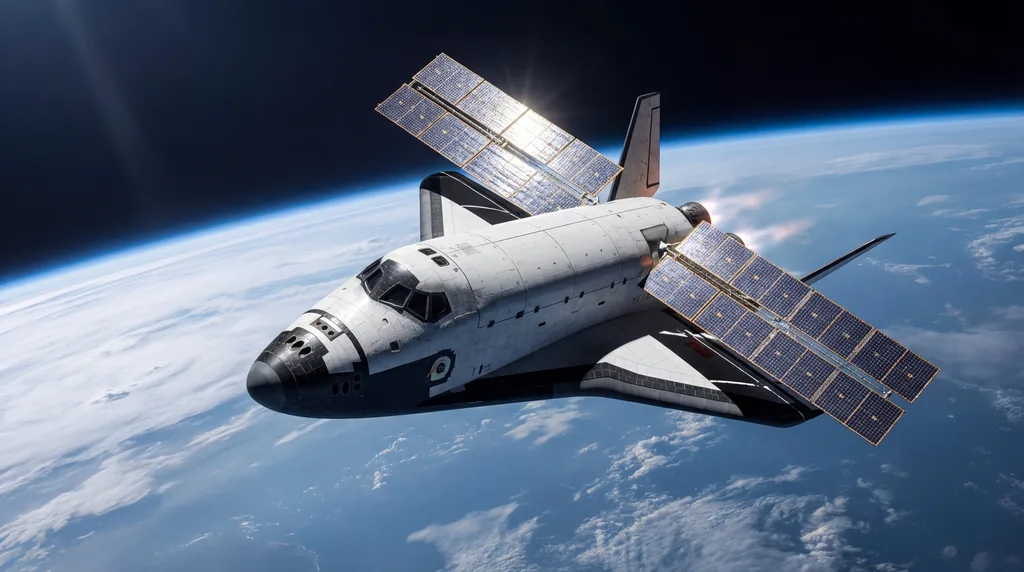

Am 7. Februar 2026 startete China erfolgreich sein experimentelles wiederverwendbares Raumfahrzeug zum vierten Mal und markierte damit einen bedeutenden Meilenstein in der rasanten Weiterentwicklung seiner orbitalen Technologien. Die Mission, die von einer Rakete des Typs Langer Marsch 2F getragen wurde, hob laut Berichten der staatlichen Nachrichtenagentur Xinhua am späten Freitagabend Ortszeit vom Satellitenstartzentrum Jiuquan ab. Dieser Start setzt einen Trend von hochkarätigen, geheimen Missionen fort, die darauf ausgelegt sind, Technologien für wiederverwendbare Raumgleiter zu verifizieren. Damit positioniert sich China als primärer Konkurrent bei der Entwicklung flexibler, autonomer Orbitalplattformen. Durch die Rückkehr in den Flugbetrieb etwa 519 Tage nach seiner dritten Mission demonstriert das Raumfahrzeug – oft als Shenlong (Raumgleiter) bezeichnet – ein reifendes operatives Tempo und ein vertieftes Engagement für die friedliche Nutzung des Weltraums durch eine wiederverwendbare Infrastruktur.
Ist Chinas Raumgleiter dem US Space Shuttle oder dem X-37B ähnlich?
Chinas Shenlong-Raumgleiter ähnelt am ehesten dem US-amerikanischen Boeing X-37B, da beide unbemannte, mittels Raketen gestartete Fahrzeuge sind, die zu komplexen orbitalen Manövern und Landungen auf Landebahnen fähig sind. Im Gegensatz zum ausgemusterten US Space Shuttle, das ein massives bemanntes Fahrzeug war, ist der Shenlong kleiner und für langandauernde Roboter-Missionen optimiert. Er teilt das geheime Missionsprofil und das kompakte Design des X-37B und passt für den Start in eine Standard-Nutzlastverkleidung einer Rakete.
Die für diese Missionen eingesetzte Trägerrakete vom Typ Langer Marsch 2F bietet eine Nutzlastkapazität von etwa acht Tonnen für die niedrige Erdumlaufbahn, was die physischen Grenzen des Shenlong (Raumgleiter) vorgibt. Erkenntnisse aus früheren Starts, einschließlich optischer Amateurbilder und Fotos der Nutzlastverkleidung, deuten darauf hin, dass das Fahrzeug ein geflügeltes Design aufweist, das eine spezielle aerodynamische Unterbringung erfordert. Während das US Space Shuttle als Schwerlasttransporter für den modularen Bau von Raumstationen und die Reparatur von Satelliten diente, scheint der chinesische Raumgleiter darauf fokussiert zu sein, sensible Technologien zu testen und Rendezvous- und Annäherungsmanöver (RPOs) ohne die Notwendigkeit einer menschlichen Besatzung durchzuführen. Diese technologische Parallele unterstreicht eine Verschiebung in der globalen Weltraumstrategie hin zu kleineren, vielseitigeren und höchst geheimen wiederverwendbaren Systemen.
Welche Technologien testet das chinesische wiederverwendbare Raumfahrzeug?
Der Shenlong-Raumgleiter testet kritische Technologien wie das autonome Aussetzen und Einholen von Satelliten, wiederverwendbare Hitzeschutzsysteme und orbitale Manövrierfähigkeit. Er hat zudem die Fähigkeit demonstriert, „Wingman“-Objekte für Annäherungstests in den Orbit freizusetzen. Diese Fähigkeiten sind essenziell für die Beherrschung wiederverwendbarer Wiedereintrittssysteme und die Validierung von Hardware für zukünftige zweistufige Transportsysteme in den Orbit (TSTO).
Die China Aerospace Science and Technology Corporation (CASC) nutzt diese Missionen, um technische Unterstützung für eine Vielzahl von orbitalen Anwendungen bereitzustellen. Laut Xinhua wird sich die aktuelle Mission auf die technologische Verifizierung konzentrieren, um die langfristige Nachhaltigkeit von Weltraumoperationen zu unterstützen. Frühere Flüge haben gezeigt, wie das Raumfahrzeug kleine Satelliten oder nicht identifizierte Objekte aussetzte und anschließend wieder auf diese zusteuerte, um Docking- oder Inspektionstechniken zu üben. Diese Manöver sind sowohl für die zivile Satellitenwartung als auch für potenzielle militärische Anwendungen, wie die Beseitigung von Weltraumschrott oder die Gewinnung von Geheimdienstinformationen, von entscheidender Bedeutung. Darüber hinaus erhielt das Shenlong (Raumgleiter)-Projekt im Jahr 2022 nationale Mittel von der Natural Science Foundation of China, was seine Bedeutung als Pfeiler der umfassenderen Weltraum-Infrastruktur des Landes signalisiert.
Wie lange dauerten die bisherigen Missionen des chinesischen wiederverwendbaren Raumfahrzeugs?
Die Dauer der vorangegangenen Missionen von Chinas wiederverwendbarem Raumfahrzeug hat sich von einem zweitägigen Erstflug im Jahr 2020 zu einer 276-tägigen Mission entwickelt, die im Mai 2023 endete. Diese Entwicklung zeigt eine klare Tendenz zu verlängerten Aufenthalten im Orbit, wobei jeder Flug die Grenzen der Ausdauer des Fahrzeugs testet. Es wird erwartet, dass die aktuelle Mission im Jahr 2026 diesem Trend des Langzeitbetriebs folgen wird.
Strategische Zeitpläne für den Shenlong (Raumgleiter) offenbaren einen kalkulierten Testansatz. Die erste Mission, die im September 2020 gestartet wurde, war eine kurze technische Demonstration von nur 48 Stunden Dauer. Die zweite Mission, gestartet im August 2022, blieb jedoch neun Monate lang im Orbit, bevor sie erfolgreich auf dem Landeplatz Lop Nor im Autonomen Gebiet Xinjiang landete. Die dritte Mission folgte nach einer 220-tägigen Pause auf die zweite und verfeinerte die Fähigkeit des Raumfahrzeugs weiter, in der rauen Umgebung des Weltraums zu operieren. Diese zunehmenden Intervalle im Orbit ermöglichen es den Ingenieuren der CASC zu überwachen, wie die Komponenten des Fahrzeugs, wie etwa seine Roboterarme und Sensoren, über mehrere Monate hinweg funktionieren, was für die Entwicklung einer zuverlässigen, wiederverwendbaren Flotte entscheidend ist.
Die logistischen Vorbereitungen für diese vierte Mission fanden trotz einer vorübergehenden Belastung der chinesischen Startanlagen statt. Nach der Shenzhou 20 Trümmerteil-Krise Ende 2025 gab es eine kurze Lücke bei den Notstart-Kapazitäten in Jiuquan. Dennoch wurde die Rakete vom Typ Langer Marsch 2F T-Variante, eine modifizierte Version des für die bemannte Raumfahrt zertifizierten Trägers, erfolgreich vorbereitet, um sicherzustellen, dass die Raumgleiter-Mission im Zeitplan blieb. Diese Widerstandsfähigkeit unterstreicht die hohe Priorität, die die China National Space Administration (CNSA) der Einhaltung ihres orbitalen Zeitplans einräumt, sowie ihr Engagement für das Shenlong (Raumgleiter)-Programm als Schlüsselkomponente ihrer nationalen Sicherheit und ihres technologischen Prestiges.
Strategische Analysten betrachten die kontinuierliche Entwicklung des Shenlong (Raumgleiter) als Teil einer größeren „orbitalen Schachpartie“ zwischen den globalen Supermächten. Der Zeitpunkt und die Geheimhaltung der Mission spiegeln oft die Aktivitäten des X-37B der US Space Force wider, der ebenfalls für Langzeittests geheimer Nutzlasten eingesetzt wird. Durch die Entwicklung eines eigenen wiederverwendbaren Fahrzeugs zielt China darauf ab, die Kosten für den Zugang zum Weltraum zu senken und gleichzeitig die Fähigkeit zu erlangen, sensible Ausrüstung schnell zu starten, zu bergen und erneut zu starten. Diese Fähigkeit wird als wesentlich für die zukünftige orbitale Sicherheit und das Management einer nachhaltigen Weltraumumgebung angesehen, da wiederverwendbare Systeme die Entstehung von langfristigem Weltraumschrott im Vergleich zu herkömmlichen Einwegraketen erheblich reduzieren.
Mit Blick auf die Zukunft wird der Erfolg dieser vierten Mission wahrscheinlich zu noch ehrgeizigeren Zielen für den Shenlong (Raumgleiter) führen. Experten erwarten, dass der aktuelle Flug komplexere Sub-Satelliten-Aussetzungen und vielleicht sogar Tests einer wiederverwendbaren suborbitalen ersten Stufe beinhalten wird, die bereits 2021 und 2022 flugerprobt wurde. Während die CASC ihre zweistufigen TSTO-Konzepte weiter verfeinert, werden die Erkenntnisse aus der aktuellen Mission in die nächste Generation chinesischer Trägerraketen, wie die Zhuque-3 und die Langer Marsch 12A, einfließen. Die internationale Gemeinschaft, einschließlich des Katalog-Trackings der U.S. Space Force, wird die Manöver des Raumfahrzeugs genau beobachten, um die Zukunft des wiederverwendbaren Orbitalflugs und seine Auswirkungen auf die globale Weltraumpolitik besser zu verstehen.
- Missionsstartdatum: 7. Februar 2026
- Startort: Satellitenstartzentrum Jiuquan, China
- Hauptfahrzeug: Wiederverwendbarer Raumgleiter Shenlong
- Trägerrakete: Langer Marsch 2F (T-Variante)
- Hauptentwickler: China Aerospace Science and Technology Corporation (CASC)
- Hauptziele: Verifizierung der Wiederverwendbarkeit, RPO-Manöver und Satellitenaussetzung




Kommentare
Noch keine Kommentare. Seien Sie der Erste!