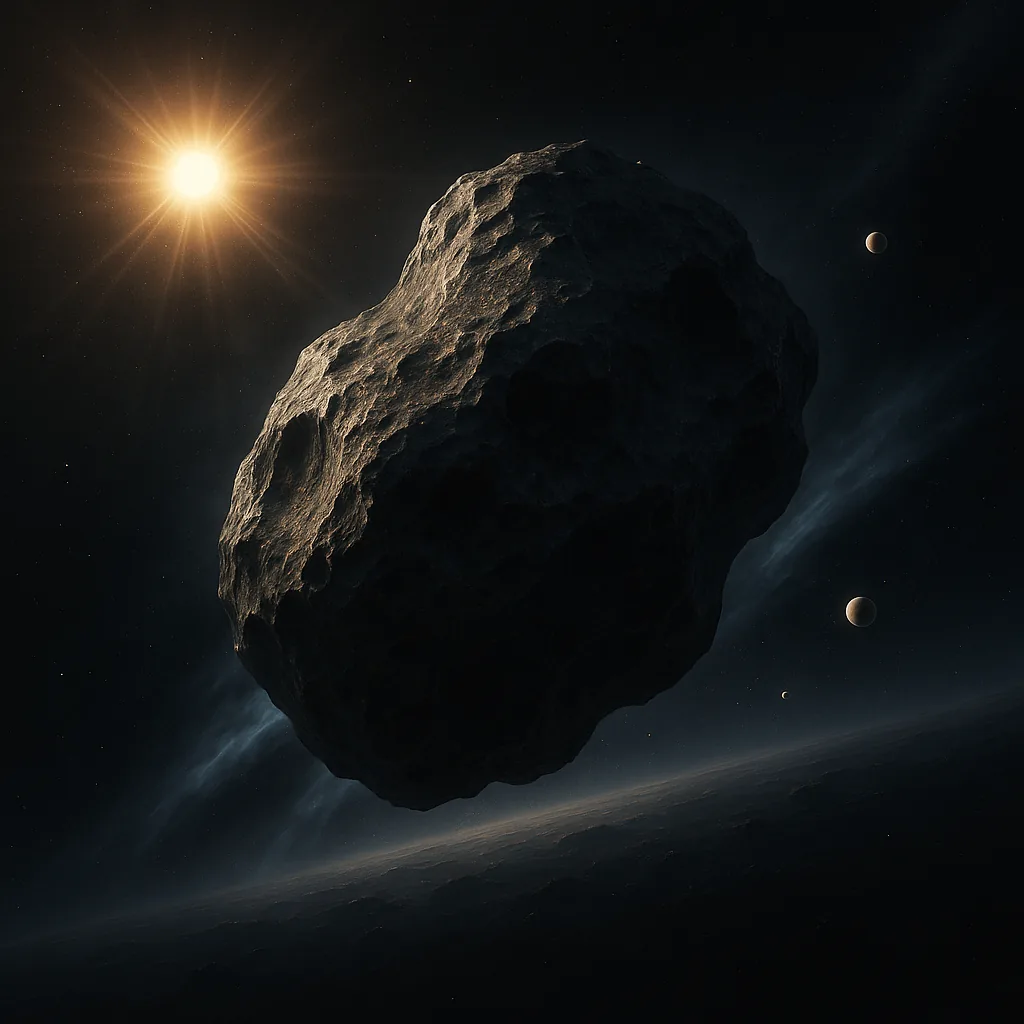
Обзор 3I/ATLAS
Впервые обнаруженный в июле, объект под обозначением 3I/ATLAS, по оценкам, достигает нескольких километров в поперечнике и является необычно массивным для межзвездного гостя. Наблюдения указывают на диаметр порядка 5,6 километра и массу, оцениваемую в миллиарды тонн. Его скорость заметно выше, чем у ранее наблюдавшихся межзвездных объектов.
Физические и динамические свойства
Фотометрический мониторинг и моделирование показывают колебания яркости, соответствующие беспорядочному вращению или неправильной форме, а состав поверхности, по-видимому, варьируется в разных частях объекта. Траектория его сближения пролегает близко к плоскости планет, в пределах нескольких градусов от эклиптики; такое расположение исследователи описывают как атипичное для известных межзвездных пришельцев.
Химические находки и интерпретация
Спектроскопические наблюдения с наземных установок выявили эмиссионные линии, приписываемые тетракарбонилу никеля, и отсутствие поддающегося обнаружению железа. Сообщаемая химическая подпись, включая измеренный выброс никеля порядка граммов в секунду, вызвала дискуссию, поскольку на Земле тетракарбонил никеля ассоциируется с промышленными процессами. Некоторые ученые призывают к осторожности до получения независимого подтверждения и проведения дальнейших измерений.
Заявления о возможном искусственном происхождении
Профессор Avi Loeb, астрофизик из Harvard, известный своей поддержкой рассмотрения нестандартных объяснений необычных астрономических явлений, предположил, что 3I/ATLAS может иметь искусственное происхождение. В качестве причин для рассмотрения такой возможности он указал на химические выбросы объекта, его движение и явную газовую струю, направленную в сторону Солнца. Loeb также призвал к незамедлительной публикации всех соответствующих данных наблюдений и отметил 29 октября как контрольную дату для дальнейших наблюдений и анализа.
Реакция других исследователей и ведомств
NASA и другие институты подчеркнули, что 3I/ATLAS не представляет угрозы для Земли и что в настоящее время ведутся дополнительные наблюдения. Некоторые астрономы предостерегли от преждевременных выводов и подчеркнули необходимость рецензируемого анализа и независимой проверки спектральных идентификаций.
Модели естественного происхождения
Группа астрономов провела динамическое моделирование, изучая потенциальные сближения со звездами и сценарии происхождения. Их предварительные результаты, представленные для рецензирования, выявили несколько возможных прохождений вблизи звезд, но не обнаружили явного звездного взаимодействия, которое требовало бы объяснения искусственной причиной. Авторы предполагают, что объект мог сформироваться в тонком диске Галактики миллиарды лет назад и позже был выброшен на межзвездную траекторию.
Научные дебаты и следующие шаги
Случай 3I/ATLAS иллюстрирует трудности в интерпретации ограниченных ранних данных о редких межзвездных объектах. Некоторые исследователи утверждают, что наблюдаемые аномалии заслуживают изучения нетрадиционных объяснений; другие подчеркивают, что удивительные признаки часто можно согласовать с естественными процессами после получения большего количества данных.
Запланированные последующие наблюдения, включая спектроскопию и получение изображений с использованием нескольких установок, призваны уточнить состав объекта, состояние вращения и траекторию. Научное сообщество ожидает, что дополнительные измерения, опубликованные после октябрьских наблюдений, будут иметь решающее значение для разрешения конкурирующих гипотез.
Чего ожидать
- Дальнейшее спектроскопическое подтверждение химических соединений и их концентрации.
- Высокочастотная фотометрия для уточнения моделей вращения и кувыркания.
- Продолжение динамических исследований по поиску вероятных сценариев выброса и сближений со звездами.
До завершения независимых анализов и широкого распространения данных происхождение 3I/ATLAS будет оставаться неопределенным, и научное сообщество продолжит оценивать как естественные, так и нетрадиционные объяснения.




Comments
No comments yet. Be the first!