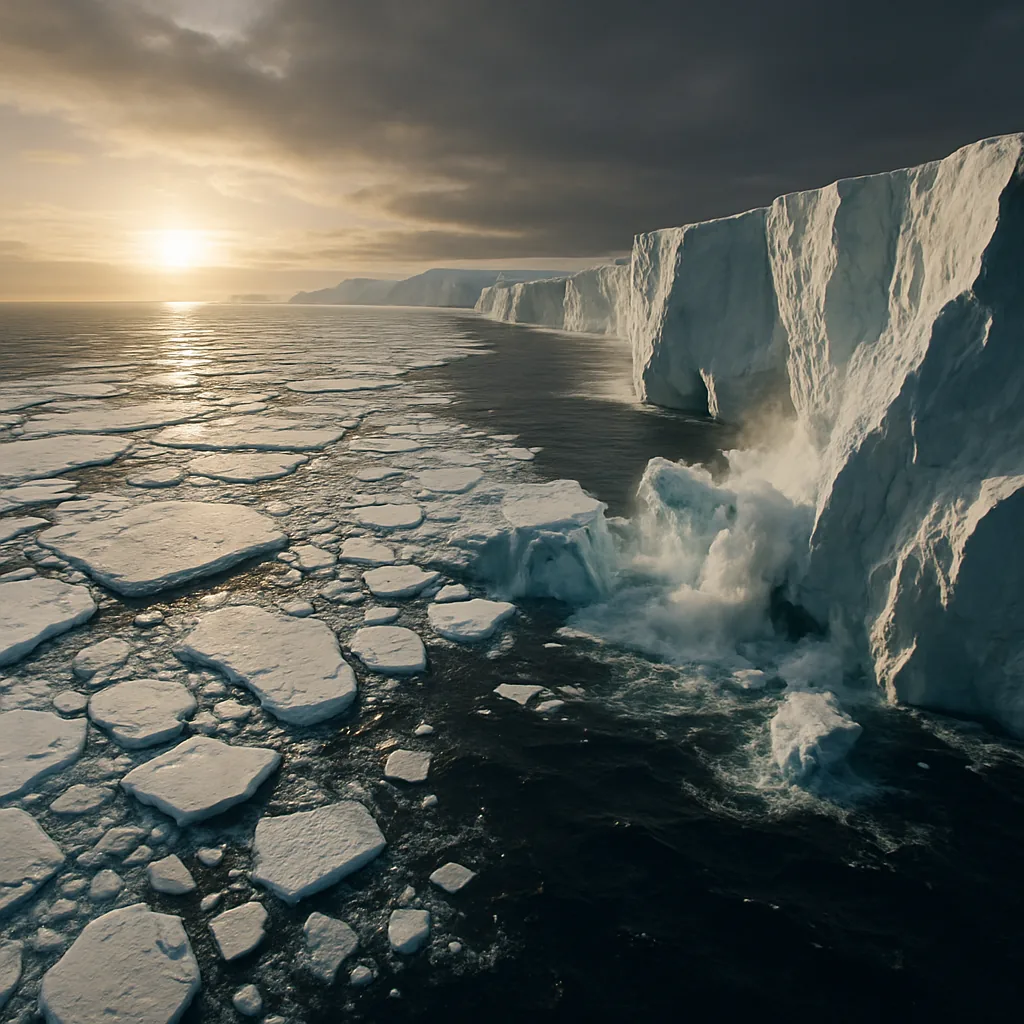
Scientists Warn of Abrupt, Potentially Irreversible Antarctic Collapse

Scientists Warn of Abrupt, Potentially Irreversible Antarctic Collapse
A new study finds rapid, interconnected changes to Antarctica’s ice, ocean and ecosystems that could trigger irreversible impacts on global sea levels, ocean circulation and biodiversity unless greenhouse gas emissions are sharply reduced.

Researchers report that Antarctica is experiencing rapid, interconnected shifts in its ice, ocean and ecosystems that could cross tipping points with wide-ranging global consequences. The study warns some changes may already be approaching irreversibility without swift reductions in greenhouse gas emissions.

Key findings

Impacts on oceans, climate and ecosystems

The study highlights several consequences if current trends continue. Melting Antarctic ice would raise global sea levels, threatening coastal communities worldwide. Changes in the Southern Ocean could reduce its capacity to absorb carbon dioxide, contributing to faster global warming.

Marine ecosystems face rising risks: emperor penguins rely on stable sea ice for chick rearing and have already suffered colony losses tied to early sea-ice breakup. Krill, seals, other penguin species and key phytoplankton are also being affected by warming and ocean acidification, with implications for the wider food web.

Risks to ocean circulation

Researchers warn of a potential collapse of the Antarctic overturning circulation. Such a collapse would trap nutrients on the seafloor rather than bringing them to the surface, impairing primary production and altering marine ecosystems on regional to global scales.

Regional consequences for Australia

For nations in the Southern Hemisphere, including Australia, projected impacts include higher sea levels, a warmer and less oxygenated Southern Ocean, reduced oceanic carbon uptake, and stronger regional warming associated with Antarctic sea-ice loss. These changes will affect coastal planning, fisheries and climate risk management.

What scientists recommend

Study details

Mattias Risberg

Mattias Risberg

Cologne-based science & technology reporter tracking semiconductors, space policy and data-driven investigations.

University of Cologne (Universität zu Köln) • Cologne, Germany

Readers

Readers Questions Answered

Q What rapid changes are occurring in Antarctica and what could happen if emissions are not reduced?
A Experts say Antarctica is undergoing rapid, interconnected shifts in its ice, ocean and ecosystems that could cross tipping points with wide-ranging global consequences. The study warns that some changes may already be approaching irreversibility unless greenhouse gas emissions are sharply reduced, potentially triggering irreversible impacts on global sea levels, ocean circulation and biodiversity.
Q How would melting Antarctic ice affect global sea levels and coastal communities?
A Melting Antarctic ice would raise global sea levels, threatening coastal communities worldwide. This rise would occur alongside interconnected changes in the oceans and climate that the study links to potential tipping points, including impacts on ocean circulation and biodiversity, underscoring the broad, global risk posed by continued warming and ice loss.
Q What changes are expected in the Southern Ocean and its role in carbon uptake and warming?
A The study indicates the Southern Ocean could become warmer and less oxygenated, with a reduced capacity to absorb carbon dioxide. This diminished uptake would contribute to faster global warming, while warming and ocean acidification also threaten regional marine life, including shifts in species interactions and primary production that underpin the wider climate system.
Q What are the predicted impacts on marine life, including penguins, krill, seals and phytoplankton?
A Marine ecosystems face rising risks from warming and ocean acidification. Emperor penguin chicks rely on stable sea ice, and early sea-ice breakup has already led to colony losses. Krill, seals, other penguin species and key phytoplankton are affected, with cascading implications for the wider marine food web.

Have a question about this article?

Questions are reviewed before publishing. We'll answer the best ones!

Comments

No comments yet. Be the first!