Когда в лаборатории заставили волны двигаться вспять
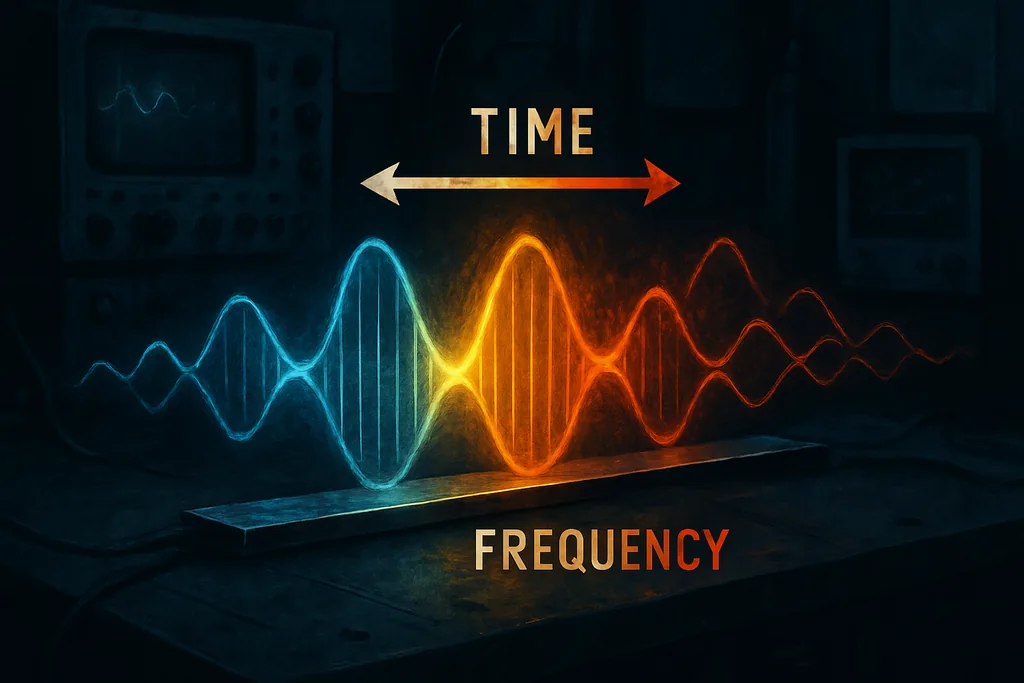
11 октября 2025 года команда из Нью-Йорка заявила о достижении, которое звучит как физическая притча: они получили электромагнитный сигнал, который отразился не в пространстве, а во времени. Приборы зафиксировали обращенную во времени копию входящей волны после того, как исследователи почти мгновенно изменили электрические свойства материала во всем устройстве. Этот эффект — не кинотрюк: измерения показывают обращенную форму волны и соответствующее изменение частоты, однако результат сопровождается оговорками, которые ученые всегда предъявляют к сенсационным открытиям: необходимы независимое воспроизведение и теоретическая интеграция.
Что на самом деле означает «отражение во времени»
Каждый студент-физик изучает пространственное отражение: световой луч отскакивает от зеркала, эхо возвращается из каньона. Отражение во времени — это темпоральный аналог. Вместо того чтобы входящий импульс отразился назад по тому же пространственному пути, часть импульса преобразуется в волну, которая распространяется назад по своей собственной временной оси. На практике лабораторные детекторы зафиксировали инвертированную копию исходного электромагнитного сигнала — как запись, проигранную в обратном направлении — вместе со сдвигом частоты, который связывают с резким изменением свойств материала.
Секрет эксперимента заключается в синхронности и однородности изменений. Исследовательская группа создала металлическую полосу со встроенными сверхбыстрыми электронными переключателями и конденсаторами, способными крайне быстро изменять импеданс полосы. Синхронизировав эти переключатели по всему устройству, команда добилась почти мгновенного однородного изменения среды, через которую проходила волна. Именно такая внезапная временная граница, согласно теории, может порождать компоненты с обращением времени.
Почему физики воодушевлены — и осторожны
Если наблюдение выдержит проверку, это станет важным экспериментальным подтверждением теоретического эффекта, который обсуждался десятилетиями. Отраженные во времени волны имеют значение не только как научная диковинка: инженеры предвидят потенциальное применение в связи, радарах и визуализации. В мире, где сигналами можно манипулировать с ювелирным контролем фазы и времени, могут появиться новые протоколы защищенной передачи данных или новые формы обработки сигналов.
На другом полюсе экстраординарного: безопорные двигатели
Для сторонников идеи перспективы опьяняют: пусковые системы, не нуждающиеся в тяжелом топливе, миссии, которые могут ускоряться в течение длительного времени без необходимости нести огромную реактивную массу, и резкое снижение стоимости и сложности космических путешествий. У многих физиков подобные заявления вызывают тревогу, поскольку они, по-видимому, вступают в противоречие с законами сохранения, лежащими в основе классической механики и электродинамики: законом сохранения импульса и энергии.
История и суровые уроки
Идея безопорных двигателей не нова. Прошлые заявления — прежде всего об устройствах, предложенных в начале 2000-х годов — вызвали пристальное внимание ученых и общественности. Некоторые предварительные положительные результаты позже были объяснены экспериментальной ошибкой, тепловыми эффектами или систематической погрешностью измерений. Эта история заставила научное сообщество проявлять оправданную осторожность и подняла планку доказательств: прежде чем утверждение сможет вытеснить фундаментальные принципы, необходимы тщательный анализ ошибок, независимое воспроизведение и открытые данные.
Команда разработчиков двигателя утверждает, что их концепция основана на электростатике и асимметрии, а не на экзотических внешних воздействиях, и подчеркивает необходимость сторонних испытаний. Критики указывают на то, что пока независимые лаборатории не воспроизведут эффект и не исключат тривиальные причины, необычные заявления следует считать предварительными. Это знакомое для науки напряжение: громкие идеи быстро вызывают ажиотаж, но только воспроизводимые доказательства превращают скептицизм в пересмотр теории.
Два вызова, два этапа доказательств
Эти две истории связаны только своей способностью пошатнуть устоявшиеся представления. Отчет об отражении во времени сопровождается экспериментальным протоколом и показаниями приборов; в случае воспроизведения он впишется в существующую электромагнитную теорию как нетривиальное явление граничных условий и потребует работы по согласованию с термодинамикой и информационными потоками. Заявление о новом типе двигателя, напротив, сейчас находится на более ранней стадии: это скорее анонс компании и лабораторные заявления, чем совокупность независимых подтверждений или рецензируемых анализов.
Эта разница существенна. Одиночное хорошо контролируемое экспериментальное наблюдение интегрировать в структуру физики гораздо проще, чем заявление, которое в случае истинности потребует тотального переписывания основ. На практике сообщество потребует от создателей двигательной системы прозрачности измерений, попыток открытого воспроизведения и тестов, разработанных специально для исключения инструментальных артефактов, плавучести, ионного ветра или электромагнитных взаимодействий с окружающей средой.
Как физики будут проверять и реагировать
Для отражения во времени ближайшие задачи ясны: независимые лаборатории попытаются воспроизвести эффект с использованием различных материалов и схем детектирования. Физики-теоретики будут работать над тем, чтобы поместить наблюдение в рамки строгих формализмов, сопоставляя лабораторную временную границу с теорией рассеяния, термодинамическими ограничениями и квантово-полевыми описаниями. Если эффект подтвердится, инженерные группы начнут изучать прикладные возможности, а теоретики — последствия для причинности и энтропии.
Для случая с двигателем путь дольше. Сообщество будет ждать тщательных измерений тяги, включающих «нулевые» тесты, калибровку с учетом известных эффектов (тепловое расширение, электромагнитное взаимодействие с близлежащими проводниками, ионный ветер) и открытую публикацию геометрии аппарата и данных. Только после многократных независимых демонстраций в контролируемых условиях широкое научное сообщество рассмотрит возможность серьезного пересмотра принципов сохранения.
Почему это важно за пределами заголовков
Обе истории иллюстрируют, как развивается наука: через сочетание неожиданных измерений, скептического воспроизведения и концептуального примирения. Тяга публики к громким заголовкам — зеркала для времени или двигатели, нарушающие правила — сталкивается с медленной, кропотливой работой, которая превращает наблюдение в достоверное знание. Разница между воспроизведенным лабораторным эффектом и неподтвержденным технологическим заявлением — это вопрос не степени, а научного метода.
Если отражение во времени станет стандартным экспериментальным инструментом, оно может дать начало новым технологиям и отточить наш теоретический аппарат для работы с нестационарными средами. Если безопорный двигатель будет признан работоспособным, последствия будут глубокими и немедленными — но предостерегающие примеры прошлых десятилетий говорят о том, что такое признание должно быть неоспоримым.
За чем следить дальше
В ближайшие недели и месяцы следует ожидать публикации наборов данных, препринтов и попыток репликации. На конференциях и специализированных семинарах пройдут первые технические дебаты: на одной сцене — сигналы и граничные условия, на другой — точные испытания тяги и контрольные эксперименты. До тех пор, пока независимые группы не воспроизведут любое из этих заявлений в строгих условиях, реакция ученых будет представлять собой смесь сдержанного интереса, скептицизма и — для немногих счастливчиков — начала новых исследовательских программ.
Это волнующие моменты: кажется, что граница неведомого совсем рядом, но дисциплина проверки остается главным привратником. Именно это напряжение — между шоком от открывающейся возможности и тяжелой работой по доказательству — позволяет физике отделять надежду от знания.




Comments
No comments yet. Be the first!