Когда нарушился покой пространства-времени
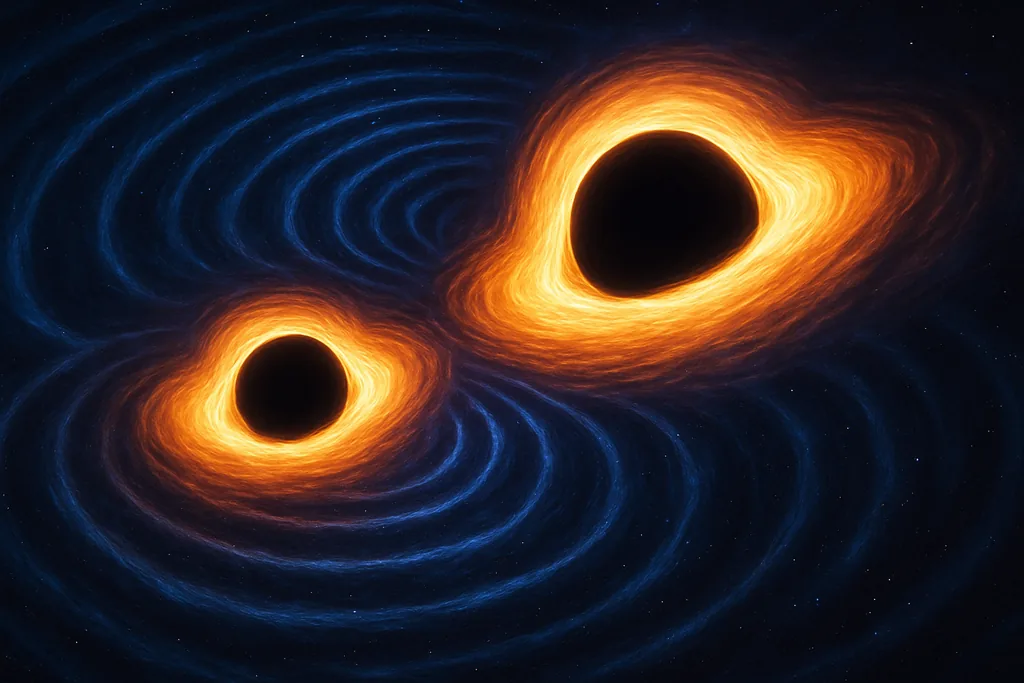
23 ноября 2023 года самые чувствительные на Земле детекторы гравитационных волн зафиксировали кратковременное, но мощное искажение пространства-времени. Сигнал был настолько необычным, что исследователи изучали его в течение нескольких месяцев, а когда в середине июля 2025 года результаты были обнародованы, они перевернули представления о том, как рождаются самые тяжелые черные дыры звездных масс.
Что было обнаружено
Почему это проблема для стандартной теории
На протяжении десятилетий модели эволюции звезд предсказывали разрыв в спектре масс черных дыр. Ожидается, что очень массивные звезды, которые номинально должны порождать черные дыры массой от 60 до 130 солнечных масс, вместо этого подвергаются процессу парной нестабильности. В результате этого процесса либо выбрасывается большая часть массы звезды, либо звезда полностью взрывается, не оставляя после себя компактного остатка. Этот теоретический диапазон получил название «разрыв масс из-за парной нестабильности».
Как могли сформироваться такие массивные и быстро вращающиеся черные дыры?
- Иерархические слияния: В плотных средах, таких как шаровые скопления или переполненные центры молодых звездных скоплений, черные дыры могут сливаться неоднократно. Каждое слияние порождает более тяжелый и часто быстро вращающийся остаток, который позже может найти другого партнера. Повторение этого процесса на протяжении нескольких поколений позволяет создавать объекты внутри и выше разрыва масс.
- Поглощение вещества внутри активного ядра галактики (АЯГ): Массивные черные дыры, вращающиеся внутри плотного газового диска вокруг сверхмассивной черной дыры, могут аккрецировать газ и мигрировать, увеличивая свою массу перед слиянием. Эта среда также может сложным образом выравнивать или изменять ориентацию спинов, что приводит к высоким значениям вращения, наблюдаемым в случае GW231123.
- Экзотические сценарии или пересмотр звездной физики: Некоторые модели предлагают модификации того, как работает парная нестабильность — возможно, из-за иной металличности, вращения или перемешивания в звездах-прародителях — что может допускать прямое формирование более тяжелых остатков, чем считалось ранее.
У каждого сценария есть свои сильные и слабые стороны. Очень высокие показатели вращения, измеренные для GW231123, говорят в пользу иерархического происхождения, при котором предыдущие слияния увеличивали угловой момент. Однако иерархические сценарии также склонны хаотично изменять направления спинов от поколения к поколению, что может оставлять в форме гравитационной волны характерные признаки, которые трудно подтвердить из-за кратковременности этого сигнала.
Почему данные трудно интерпретировать
Поскольку две сливающиеся черные дыры были очень массивными, детекторы зафиксировали лишь последние мгновения их сближения по спирали и слияния — примерно десятую долю секунды. Это означает меньшее количество циклов гравитационных волн и меньше информации для определения таких параметров, как соотношение масс, ориентация и углы наклона спина. Различные модели волновых форм, используемые для вывода свойств системы, не полностью согласуются друг с другом, что вносит систематические погрешности в оценки массы и вращения.
Эти различия в моделировании имеют значение: если одно семейство волновых форм отдает предпочтение несколько иным массам или спинам, чем другое, астрофизическая интерпретация — находятся ли компоненты на самом деле в разрыве масс или же располагаются по его краям — может измениться. Поэтому коллаборация осторожно относится к заявленной точности и проводит дальнейшую работу над улучшенными волновыми формами и независимыми анализами.
Место открытия в общей картине
GW231123 продолжает череду более ранних обнаружений гравитационных волн, которые намекали на существование неожиданно тяжелых черных дыр. Первая однозначная черная дыра промежуточной массы, образовавшаяся в результате слияния двойной системы, GW190521 в 2019–2020 годах, уже поставила модели под сомнение. Повторный анализ архивных данных LIGO также выявил потенциальные события, которые привели бы к образованию остатков промежуточной массы, что позволяет предположить: мы, возможно, наблюдаем ранее скрытую популяцию.
Доказательства множественных слияний тяжелых объектов имеют далеко идущие последствия. Это влияет на наше понимание того, как жили и умирали первые поколения звезд, на динамику внутри плотных звездных скоплений и на роль газовой среды галактик. Это также дает эмпирический путь для формирования черных дыр промежуточной массы — давно разыскиваемого связующего звена между черными дырами звездных масс и сверхмассивными черными дырами.
Что дальше
Исследователи уточнят оценки параметров, используя более сложные модели волновых форм, специализированное моделирование в рамках численной относительности и независимые коды для оценки параметров. Методы машинного обучения и повторный анализ архивных данных также продолжат выявлять потенциальные слияния тяжелых объектов, что поможет укрепить статистическую уверенность в характеристиках популяции.
Вызов и новые возможности
GW231123 — это не просто очередная запись в растущем каталоге открытий гравитационных волн. Это вызов: точка данных, которая давит на теоретическую границу и заставляет астрофизиков расширять или заменять часть стандартной истории. Независимо от того, кроется ли ответ в повторяющихся столкновениях внутри переполненных скоплений, «прожорливых» черных дырах, поглощающих газ в ядрах галактик, или в пересмотре физики звездной смерти, это открытие открывает новое окно в понимание того, как природа создает самые тяжелые компактные объекты.
Пока же этот сигнал служит ярким напоминанием о научной ценности того, чтобы прислушиваться к Вселенной через гравитационные волны, — и о том, что некоторые из самых интересных тайн космоса приходят к нам в виде короткого, но мощного шепота.
Джеймс Лоусон — репортер, специализирующийся на научных и технологических расследованиях для издания Dark Matter. Он получил степень магистра (MSc) в области научной коммуникации и степень бакалавра (BSc) по физике в Университетском колледже Лондона (University College London).




Comments
No comments yet. Be the first!